
Everything you need to know about Feather Mites
From theses and studies on CPL and chorioptes spp. by Kaat Deleux and Dr Marieke Brys
Feather mites – what are they and how can we get rid of them?
BREAKING NEWS! The primary resource for tackling feather mites as of 2022 can be found here, written by Marieke Brys (University of Ghent), where the use of topical moxidectin is recommended following an extensive study into feather mites in CPL horses. Cydectin pour-on 0.5% for cattle. At a dose of 1.5mg/kg body weight (1ml of Cydectin contains 5mg of moxidectin). It was found conclusively to eradicate mites at the first application (second application is still recommended to catch the newly hatched eggs after 7-10 days) with an unexpected but remarkable side effect of descaling hyperkeratosis from the legs over the following days and weeks. 100% of the horses studied had feather mites. Cydectin is not safe to use in youngstock or malnourished horses.
In 2024, Dr Brys and peers concluded that topical ivermectin at a dose of 1mg/kg body weight can be effective and safer to use in youngstock and malnourished horses. The write-up can be found here
In March 2025 another study was published that demonstrated a clear link between feather mite infestations and the prevalency of CPL in Belgian Draft Horses vs Belgian warmblood horses (no mites or CPL were found on the Warmblood horses). This is an important read for veterinarians: –
“These findings highlight the importance of effective mite management strategies to reduce the burden of CPL in Belgian draft horses and improve animal welfare.”
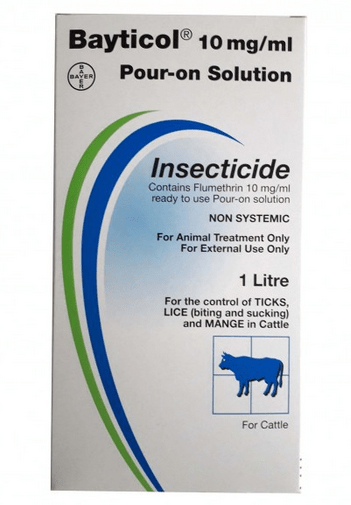
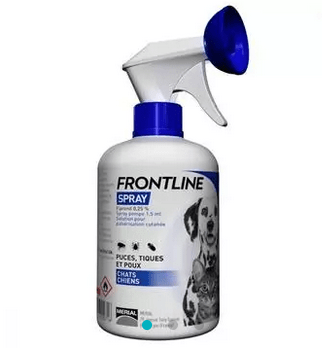
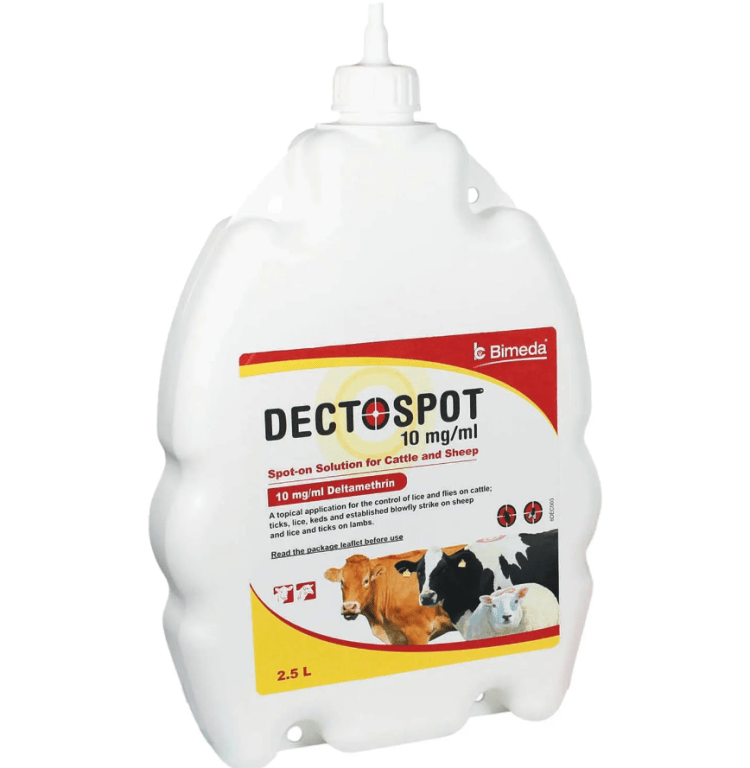
NOTE: Deosect and products or shampoos containing permethrin/pyrethrums are not reliably effective for the elimination of feather mites, especially in horses with CPL and hyperkeratosis. They are predominantly targeted for biting insects – which feather mites are not.
Kaat Deleux (Hogent graduate) describes the following: –
“Treating feather mites is like a day task” is something I hear myself say a lot as I prepare myself to treat my 4 horses and their environment. It is very labour intensive and can be especially hard in winter with colder temperatures and muddy conditions. Let me sum up some facts that people usually don’t know about Chorioptes spp. Because before you treat any parasites, you should know their life cycle.
– Chorioptes mites are surface-living parasites. They’ll only penetrate the epidermis (upper skin layer) when the disease becomes chronic. In some cases they can pile up under crusts, making them unreachable by topical antiparasitics.
– The life cycle takes about 3 weeks and is completed on the host. Adult mites can survive off-host for nearly 70 days depending on the presence of skin debris as a food source and the local environmental conditions.
– They feed on skin debris (crusts, dandruff), which means mites are attracted to the feathers because of the hyperkeratosis feathered horses tend to have.
– Chorioptes bovis isn’t a zoonotic disease, which means they won’t complete their life cycle on humans.
– Mite populations are usually larger in cold weather conditions. Warm and dry circumstances will lower the survival rate of mites. Usually symptoms will be less severe in summer. In this case they’ll be found mostly around the coronary band.
– Mites seem to be more active during the night, which can cause restlesness and irritation in horses.
– Horses can be asymptomatic carriers.
– Mites move incredibly fast and are very active, thus vets usually have to put some sort of antiparasitic in their mineral oil to keep them still when viewing them under the microscope.
So, what are some clues here? What can we learn from this when treating against mites?
– Chorioptes infestations are mostly seen in feathered horses because the feathers cover the damp, enclosed skin surface and protect the mites from extreme temperatures creating the ideal environment! This proves the importance of keeping the feather clipped short.
– Removing crusts, dandruff and skin debris is important as they are the nutrition for the mites.
– ALL horses that come into contact with a horse that has clincal symptoms need to be treated!! Asymptomatic carriers can simply reinfect the treated horse, making the treatment useless.
– Because the mites move so fast, it is important to treat the WHOLE body when using an over-the-counter topical agent (such as Lime Sulphur Dip) as they can migrate to other body parts quickly.
– Because the mites live on the surface, injectable/oral antiparasitics don’t work that well. Studies have shown that the mites are never fully eliminated when injecting doramectin (Dectomax) subcutaneously or giving ivermectin orally. They are actually unsure to what extent these systemic endectocides even reach the hair and crusts on the legs, where the mites live.
– Topical antiparasitics are labour intenstive but proven effective. Clipping feathers will make sure the agent reaches the mites better. Even clipping itself could make improvements as some mites will be physically removed from the hairs and skin crusts exfoliated.
– Chorioptes sp. mites can survive in the environment on hair and dandruff for nearly 70 days. Therefore stables, brushes and other infected material need to be treated too. You could also simply not use the infected material/tack for a minimum of 4 weeks.
– Topical treatments will not destroy the eggs. The eggs hatch after 5-6 days which is why you’ll need to repeat treatment after 7-10 days and no later.
How do I know that my horse has feather mites?
Symptoms are usually pretty clear with the horse stomping, biting and itching their legs against objects. You may also notice curly or distorted hair growth as the follicles become damaged by the mites and self-injuring behaviour of the horse. Serocellular crusting which generally appears yellow will likely be visible at the base of the hair.*
Actual diagnosis based on real evidence is important as registered antiparasitics against Chorioptes spp. are limited. This could become a big issue, as the mites could become resistant leaving us with even less treatment options. This is also the reason why you shouldn’t treat too often or as a preventive measure. Another reason why you shouldn’t overdo treatment is because the lymphatic system and circulation in horses with CPL is already very poor. Putting more stress on it with aggressive treatments isn’t ideal.
Thank you for reading! It is important that we start treating our horses correctly, just like we’re getting more aware of the usage of antibiotics and dewormers. It is shocking how many people treat their horses incorrectly – and I used to be one of them because I was misinformed. Based on my survey with a population of 45 people, only 20% treated their horses fully correctly… Knowledge is power.”
Kaat Deleux, Hogent Belgium graduate 2020, Bachelors Degree in Bio- and Agri-technology with a special interest in CPL and feather mites.
*If required, clinical testing can be carried out by the method of superficial skin scraping; combing with a fine comb and letting the skin debris fall in a petri dish (or acetate tape impression). This should be performed in recurrent/treatment resistant cases to make sure it is mites causing the itchiness and not the CPL itself. Multiple tests should be performed at one time as they can be negative. Also test after treatment to ensure they’re gone.
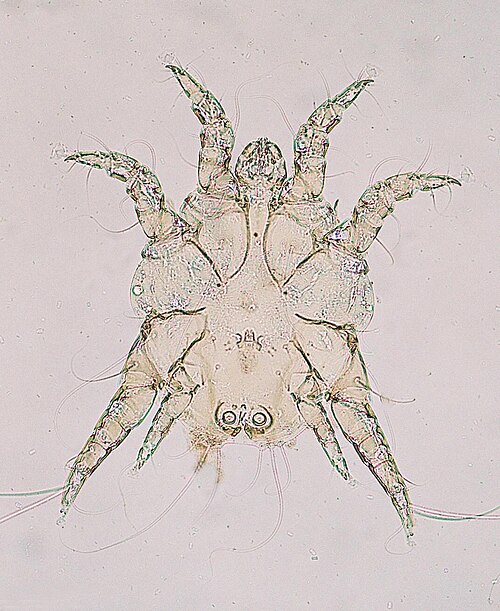


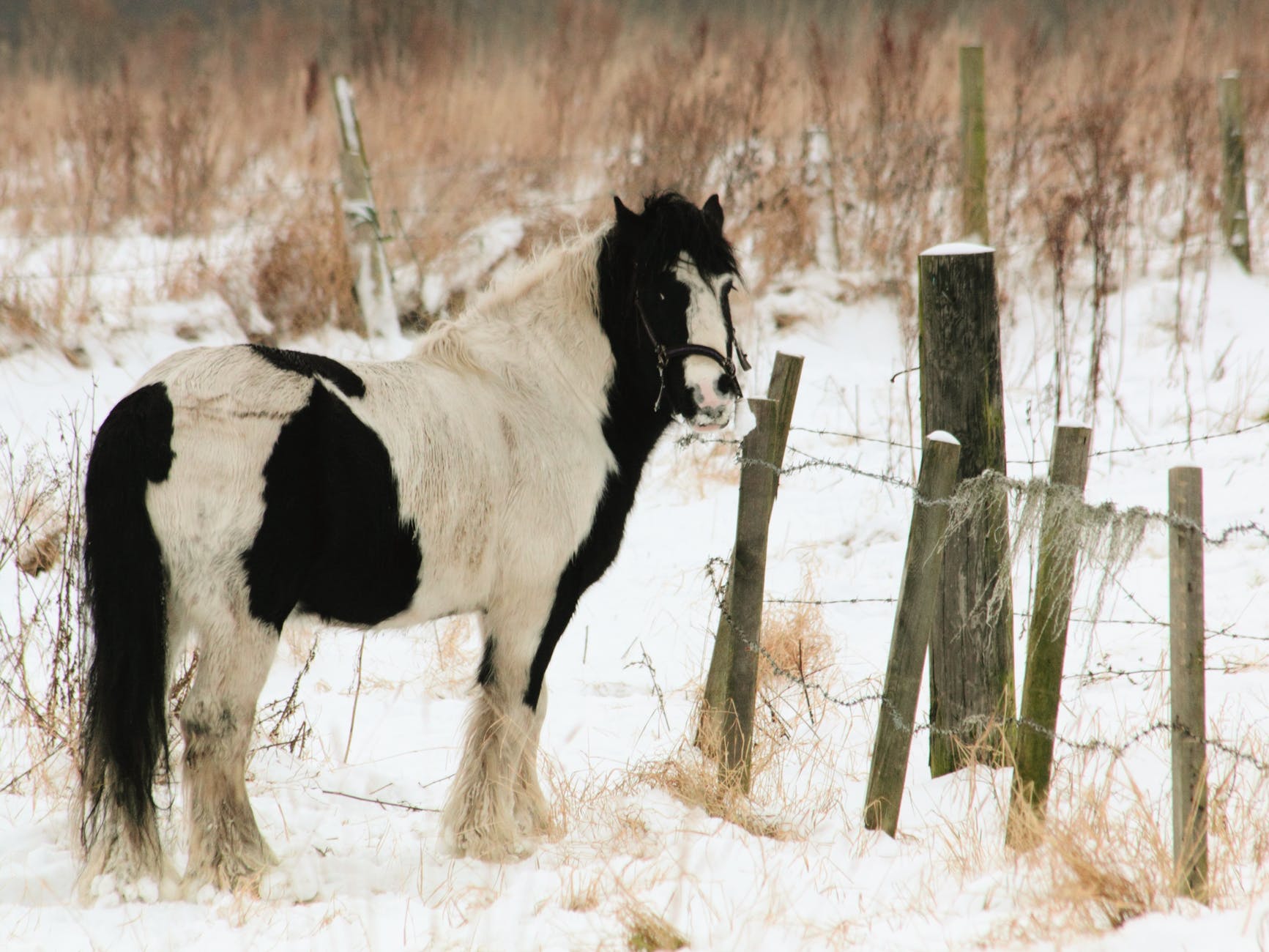
Photo by Anthony on Pexels.com
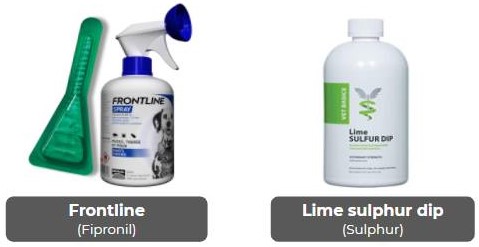

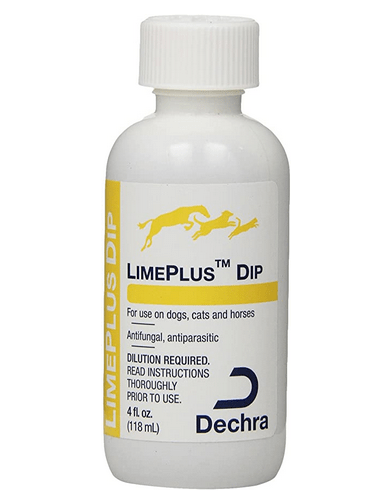
Never use a Mites treatment without your consulting your vet and always do a patch test
Kaat Deleux



 Chronic Progressive Lymphoedema